
Posted on

Handling Rejection

We have all been there at some point, the dreaded rejection letter, email, or phone call. It is never a pleasant experience, particularly if you have faced several rejections so far in your job search, it can be easy to feel dejected and disheartened.

You may have been well prepared for the interview and felt that it went very positively, yet the final outcome was not you were expecting. This can be frustrating.

It is important to remember that the way you handle rejection is just as important as the skills on your CV when it comes to securing a new role. If you allow rejection to knock your confidence and make you doubt your abilities, it could negatively affect your performance in future interviews.

If a rejection email does come into your inbox, here a few things to remember to help you remain positive, optimistic, and motivated.

Don’t take it personal.

It is easy to take rejection to heart and blame your abilities or interview technique on your failure to get the job. Try not to read too much into your rejection, these decisions are rarely based solely on your performance. If you prepared fully and tried your best, there is little else you could have done.

Many of the reasons behind hiring decisions will not be made apparent to you. You may have performed excellently, but there could be other factors at play.

If you didn’t get the job, there may have been a very strong internal candidate who is already familiar with the business, or another candidate with slightly more relevant experience than you. These are things you cannot change, they are beyond your control.

Never assume that everything you are doing is wrong because you did not get the job. It is perfectly acceptable to politely ask the recruiter or employer for more detailed feedback about your interview in order to help you improve. 

Interview feedback can sometimes be bland and unhelpful, so do seek out other genuinely useful feedback where possible. You could seek the advice of an HR professional or try out a mock interview in order to practice and get some constructive criticism.

Recruiters always follow up on interviews and give feedback to candidates wherever possible. However, we are only able to pass on the feedback that is provided to us  which is not always forthcoming from busy employers.
 

Approach each new job opportunity with a fresh perspective and a positive attitude. Tailor your CV to best match a new opportunity and fully research and prepare for a new interview. 

If you made mistakes or felt unprepared in your last interview learn from this, but do not keep it at the forefront of your mind, it will only make you nervous. 

Every client and hiring manager are different and will have a different view of the ‘ideal candidate.’ Keep a fresh approach while remaining true to your personality and experience.

Your confidence can take a hit when you get a rejection, so it is important to work hard at keeping your morale and motivation levels buoyant.

Especially if you are not in current employment, it is a good idea to keep your skills sharpened and your experience up to date. 

If a recent interview didn’t go your way, don’t worry! There’s plenty more jobs out there.

Posted on

Labour Market overview

 Unemployment amongst young people remains high, particularly the youngest age group (aged 16-17 = 34.7%/ aged 18-24 = 13.7%).

The employment rate remained similar at 75.1%, 34.303 million people in employment.
The economic inactivity rate decreased slightly to 20.8% which is 286,000 lower than 12 months ago.
9.021 million people are economically inactive, lower than last year but 391,000 higher than pre-pandemic levels.
Vacancies increased slightly on the quarter to 734,000, and 69,000 lower than 12 months ago.
There were 2.5 unemployed people per vacancy in September to November 2025, up from the previous quarter and the previous year.
Payrolled employees for December 2025 decreased by 43,000 to 30.2 million and decreased by 184,000 over the year. It is still 1.21 million higher than pre-pandemic levels.
Annual growth in regular pay without bonus was 4.5% and with bonus was 4.7%.
Adjusted for inflation, annual growth in regular pay was 0.6% and total pay was 0.8%.
The claimant count increased on the month to 1.677 million but decreased on the year.
This is the measure of those receiving benefit principally due to being unemployed.
Redundancies were 4.9 per thousand employees, higher than last quarter and 12 months ago.
15,000 working days were lost because of labour disputes in November 2025, up from 39,000 the previous month. Over half were in the health and social care sector.  
Posted on

National Minimum Wage increases in April 2026

The Government has announced increases to minimum wage rates from April 2026. The National Living Wage, the minimum wage rate for all workers aged 21 and over, will rise by 4.1 per cent to £12.71. The minimum wage for 18-20 year olds will increase to £10.85 and the rate for 16-17 year olds will increase to £8.00.

In announcing these increases, the Government has accepted in full the recommendations made by the Low Pay Commission.

The increase in the National Living Wage will ensure a real-terms pay rise for low-paid workers. It will meet the Government’s aim to ensure the rate does not drop below two-thirds of median earnings. The increase to the 18-20 Year Old Rate makes progress towards alignment with the National Living Wage.

The rates announced today are:

NMW RateIncrease (£)Increase (%)
National Living Wage (21 and over)£12.7150p4.1
18-20 Year Old Rate£10.8585p8.5
16-17 Year Old Rate£8.0045p6.0
Apprentice Rate£8.0045p6.0
Accommodation Offset£11.1044p4.1
Posted on

Labour Market Overview

Warehouse Operative
The latest
UK unemployment rate continues to increase, now standing at 5%, 1.789 million people unemployed.
Unemployment amongst young people remains high, particularly the youngest age group (aged 16-17 = 36%/ aged 18-24 = 12.7%).
Employment rate decreased slightly to 75%, 34.19 million people in employment. UK economic inactivity rate is largely unchanged at 21.0%. 9.08 million people are economically inactive, 226,000 fewer than last year but still higher than pre-pandemic levels.
Vacancies are broadly unchanged with just a small increase to 723,000. This means there are 2.5 unemployed people per vacancy.
The estimate of payrolled employees for October 2025 decreased by 180,000 on the year and 32,000 on the month, to 30.3 million.
Annual growth in regular pay without bonus was 4.6% and with bonus was 4.8%. Adjusted for inflation, annual growth in regular pay was 0.5% and total pay was 0.7%.
Claimant count increased on the month to 1.696 million but decreased on the year. This is the measure of those receiving benefit principally due to being unemployed.
Redundancies were 4.5 per thousand employees, up on last quarter and higher than 12 months ago. 39,000 working days were lost because of labour disputes in September 2025.
    Policy and Research Highlights
Posted on

Unemployment rose

Warehouse Operative
The latest figures shows that: Unemployment rate rose to 4.8% with 1.74 million people unemployed. Unemployment amongst young people remains high, particularly amongst the youngest age group (aged 16-17 = 33.5%/ aged 18-24 = 12%).
The employment rate fell slightly to 75.1%, 34.22 million people in employment.
The economic inactivity rate remains largely unchanged at 21% but is 287,000 lower than 12 months ago. 9.12 million people are economically inactive, lower than last year but 485,000 higher than pre-pandemic levels.
Job vacancies fell to 717,000, the 39th consecutive quarterly decline and 78,000 below pre-Covid levels.
This means there were 2.4 unemployed people per vacancy in June 2025 to August 2025, up from the previous quarter.
The number of payrolled employees for September 2025 fell by 10,000 to 30.3 million, down 100,000 over the year though still 1.28 million higher than pre-pandemic levels.
Annual growth in regular pay without bonus was 4.7% and with bonus was 5%. Adjusted for inflation, annual growth in regular pay was 0.6% and total pay 0.8%.
The claimant count increased on the month to 1.69 million but decreased on the year.
This signifies people receiving unemployment related benefits. Redundancies stood at 3.8 per thousand employees, similar to last quarter and slightly higher than 12 months ago. 15,000 working days were lost because of labour disputes in August 2025, down sharply from 83,000 in July
Posted on

Labour market overview

  • The unemployment rate increased from the previous quarter to 4.7% – up to 1.673 million people unemployed.
  • Unemployment amongst young people aged 18-24 has fallen by 0.5% on the quarter but remains high at 12.2%.
  • The employment rate increased slightly to 75.2%, 34.1 million people in employment. This is up on the quarter and the year.
  • The economic inactivity rate is slightly down on the quarter at 21% and 375,000 lower than 12 months ago.
  • 9.085 million people are economically inactive, lower than last year but 549,000 higher than pre-pandemic levels.
  • Vacancies fell to 727,000, the 36th consecutive quarterly decline with vacancies decreasing in 14 of the 19 industry sectors.
  • The early estimate of payrolled employees for June 2025 decreased by 178,000 (0.6%) on the year and by 41,000 (0.1%) on the month to 30.3 million
  • Annual growth in regular pay for both with and without bonus was 5%. Adjusted for inflation, annual growth in regular pay was 1.1% and total pay was 1%.
  • The claimant count increased on the month and on the year to 1.743 million. This is the measure of those receiving benefit principally due to being unemployed.
  • Redundancies increased to 3.9 per thousand employees, slightly down on last quarter but 0.5 per thousand up on 12 months ago.

37,000 working days were lost because of labour disputes in May 2025, 10,000 fewer than the previous month.

Posted on

Oak Furrows Donations

We had a lovely morning visiting Oak Furrows in Wiltshire today to drop off donations which the Direct Staff have been collecting over the last couple of weeks.

Oak Furrows do some fantastic work with animals and wildlife within the Wiltshire area and to see the care they give injured animals and work they do to release animals safely back to the wild is amazing.

As a local business we know how important it is to support the community and help where we can and its been an absolute pleasure in able to help such a lovely charitable organisation.

If you would like to check out what this fantastic charity does and donate to them, then head on over to their website.

https://rspcaoandf.org.uk

Posted on

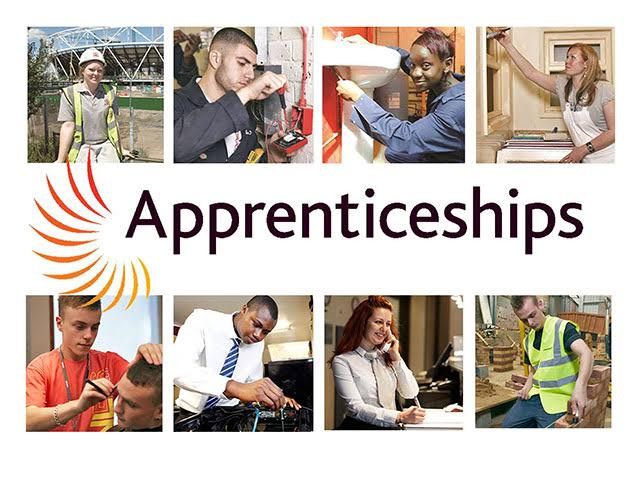
Apprenticeships – What are they all about?

What is an Apprenticeship?

Working as an apprentice means you will gain a free qualification plus hands on work experience working for a local employer while normally attending college 1 day a week.

It is a great way to gain experience, complete additional studies / qualifications while being paid to do so.

Any employer can hire an apprentice, ensuring the job is relevant to your studies and the employer will ensure you gain hands on training with experienced staff and receive time off for studying.

There are different levels of apprenticeship.

In England, Wales and Northern Ireland, they are:

  • Intermediate (Level 2 – GCSE standard)
  • Advanced (Level 3 – A Levels standard)
  • Higher (Levels 4,5,6 and 7 – foundation degree or above)
  • Degree (Levels 6 and 7 – bachelor’s or master’s degree)

In Scotland, they are:

  • Foundation (mostly SCQF Level 6 – Highers standard)
  • Modern (mostly SCQF levels 6 and 7 – Highers of Advanced Highers standard)
  • Graduate (SCQF Levels 9, 10 and 11 – Undergraduate or master’s degree standard)

Popular Apprenticeships:

People often do apprenticeships if they know the career they want or if they are already working within their chosen career but want to gain more skills.

The most popular apprenticeships in England last year were within business and administration followed closely by construction and then health and construction.

Some known companies who support apprenticeships are British military, BT and Amazon.

Last year in England there was over 750,000 apprenticeships with the government wanting to see numbers increasing year on year.

How do you get an Apprenticeship?

There are many ways you can search and apply for an apprenticeship, most companies would advertise these directly for you to apply online. There is also dedicated sites for advertising apprenticeships and most universities and colleges will be able to assist with apply and sourcing apprenticeship opportunities.

Some companies will interview apprenticeships before you start, and you will need to pass assessment showing what you have learnt before completing and passing the qualification.

What can you earn while doing an apprenticeship?

If you are under 19 or if you are 19 or older but in the first year of your apprenticeship, you are entitled to the apprentice rate of £6.40 per hour.

After this time you will be entitled to the national living wage for your age group as a minimum.

£8.60 per hour for 19- and 20-year-olds.

£11.44 for those aged 21 and above.

Depending on the employer, you could earn above these amounts however the rates above detail the legal minimum requirement you would earn.

There are current campaigns to have the apprentice rate increased to national minimum wage, however this is on-going at present.

Apprenticeships are a great way to earn while you learn, gain a qualification along with the hands on experience.

Posted on

RSPCA – We are supporting with Donations.

Here at Direct Response we love to give back and regularly support local charities around the Wiltshire and Somerset areas.

Being massive animal lovers within the office, we have decided to raise some donations for Oak and Furrows wild life centre, which rescue and care for domestic animals such as cats and dogs along with those in the wild such as foxes and hedgehogs.

They do amazing work and have many animals they are caring for on a daily basis, making them in need of the animal basics below such as food.

As a team we are on the hunt for such items and collecting any donations within the office to drop off to the centre at the end of the month.

Our team will be busy buying items over the next couple of weeks and If anyone would like to donate, anything big or small would be hugely appreciated.

Posted on

Labour Market Overview

UK unemployment rate increased again to 4.2%, 1.440 million people unemployed
Unemployment amongst young people remains high, particularly the youngest age group (aged 16-17 = 26.2% / aged 18-24 = 11%) Employment rate was largely unchanged at 74.5%, 32.98 million people employed
UK economic inactivity rate was slightly up on the last quarter at 22.2%, higher than 12 months ago due to an increase in 16 to 34 years olds, which was slightly offset by a decrease in those aged 35 to 49
9.40 million people are economically inactive, an increase of 275,000 on last year and 853,000 higher than pre-pandemic levels Vacancies fell again to 916,000, the 21st consecutive period fall, down 13,000 from previous quarter, but higher than pre-covid levels.
There were 1.6 unemployed people per vacancy in December 2023 to February 2024, up from 1.4 as a result of vacancies falling and unemployment increasing Payrolled employees for March 2024 was 30.3 million, a rise of 0.7% compared to last year.
This is a rise of 204,000 over the last 12 months. 1.27 million higher than pre-pandemic levels Annual growth in regular pay without bonus increased by 6.0%, and with bonus by 5.6%. Adjusted for inflation, annual growth regular pay was 1.9% and total pay was 1.6% 6.41 million people were claiming Universal Credit in January 2024.
This has increased from 5.79 million in January 2023 and is more than twice as high as pre-pandemic levels.
There are currently 1.44 million people searching for work Redundancies decreased 9.3 per thousand employees, 0.8 higher than last year 106,000 working days lost because of labour disputes in February, mainly in health and social care